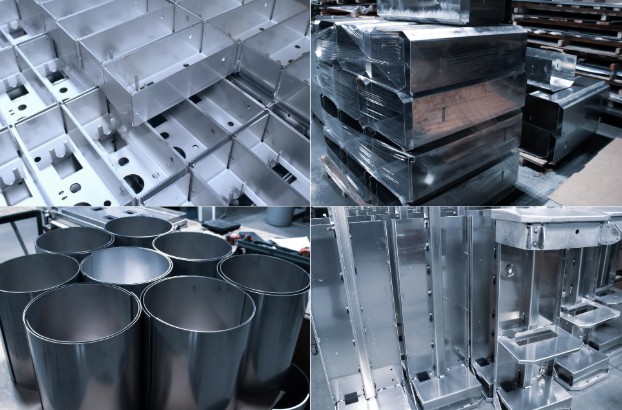
Selecting the correct sheet metal gauge is one of the most important decisions in any metal fabrication or metal building project. The gauge you choose directly affects strength, durability, cost, performance, and long-term reliability. Choosing a gauge that’s too thin can lead to denting, deformation, or premature failure, while over-specifying thickness can increase costs, weight, and installation difficulty.
For construction and metal building applications, understanding how sheet metal gauge works, and how to select the right option for your specific use case, helps ensure your project performs as intended from day one.
What Is Sheet Metal Gauge?
Sheet metal gauge refers to the thickness of a metal sheet. Unlike standard measurements such as inches or millimeters, gauge numbers work inversely — the lower the gauge number, the thicker the metal.
For example:
- 18 gauge steel is thicker and stronger than 24 gauge steel
- 26 gauge steel is thinner and lighter than 22 gauge steel
Because gauge systems vary by metal type, sheet metal gauge is most commonly referenced in steel-based construction projects, particularly for pre-finished and galvanized steel components used in metal wall and roof systems.
Why Sheet Metal Gauge Matters in Construction Projects
In construction and metal buildings, sheet metal gauge impacts far more than appearance. It influences structural performance, weather resistance, installation requirements, and lifecycle costs.
The right sheet metal gauge helps:
- Maintain shape and rigidity under wind and snow loads
- Resist denting, oil-canning, and vibration
- Support long-term durability in exterior environments
- Ensure compatibility with fasteners, sub-framing, and panel systems
Choosing the wrong gauge can result in increased maintenance, reduced lifespan, and costly repairs.
Common Sheet Metal Gauges Used in Construction
While exact requirements vary by project, several sheet metal gauge ranges are commonly used in metal building applications.
18–20 Gauge
Thicker gauges like 18 or 20 gauge steel are often used where increased strength and rigidity are required. These gauges are suitable for high-impact areas, heavy-duty sub-framing supports, and locations exposed to higher structural stress.
22–24 Gauge
This range is widely used for pre-finished steel flashings, trims, and architectural details. It offers a strong balance between durability and workability, making it ideal for roof edges, wall transitions, and weather protection components.
26 Gauge
26 gauge steel is lighter and easier to handle, often used where weight reduction is important and structural demands are lower. It’s commonly applied in certain wall panel systems or non-load-bearing components.
How Sheet Metal Gauge Affects Strength and Durability
Thicker sheet metal gauges provide greater resistance to bending, denting, and deformation. This is especially important for exterior components exposed to wind uplift, snow loads, and temperature fluctuations.
Thinner gauges may be suitable for decorative or secondary elements, but in high-exposure areas, a heavier gauge often delivers better long-term performance and fewer service issues over time.
In metal building systems, gauge selection must align with environmental conditions, building height, and panel span requirements.
The Relationship Between Sheet Metal Gauge and Cost
Sheet metal gauge plays a direct role in project cost — both upfront and long-term.
Thicker gauges:
- Use more material, increasing raw material costs
- Are heavier, which can raise transportation and handling expenses
- Require more effort to cut and bend
Thinner gauges:
- Cost less initially
- Are easier to fabricate and install
- May require more frequent maintenance or replacement if under-specified
Choosing the right gauge is about balance — selecting a thickness that meets performance needs without unnecessary overspending.
Gauge Selection for Exterior vs Interior Applications
Exterior construction components demand more from sheet metal gauge selection. Exposure to moisture, wind, temperature changes, and UV radiation all place stress on metal over time.
For exterior use, thicker gauges are typically preferred for:
- Roof flashings and edge details
- Wall transitions and penetrations
- Sub-framing supports behind metal panels
Interior or protected applications may allow for lighter gauges where environmental exposure is minimal and structural demands are lower.
Sheet Metal Gauge and Fabrication Precision
Gauge thickness also affects fabrication accuracy and consistency. Thicker metals require more force to cut and bend, while thinner gauges are easier to form but may be more susceptible to warping if not handled properly.
Precision fabrication ensures:
- Accurate bends and dimensions
- Proper fit with wall and roof systems
- Clean installation without on-site adjustments
Working with an experienced fabrication partner helps ensure your selected sheet metal gauge is processed correctly for your specific application.
Matching Sheet Metal Gauge to Sub-Framing Systems
In metal building construction, sheet metal gauge must be compatible with sub-framing components and fastening systems. If gauges are mismatched, it can lead to fastening issues, panel movement, or reduced system integrity.
Galvanized steel supports used for sub-framing require gauge selection that balances strength with installability, ensuring the system performs as a cohesive whole.
Common Mistakes When Choosing Sheet Metal Gauge
One of the most common mistakes businesses make is selecting gauge based solely on cost. While thinner metal may appear economical upfront, it can lead to performance issues, premature wear, and higher lifecycle costs.
Other frequent mistakes include:
- Ignoring environmental exposure
- Overlooking wind and load requirements
- Choosing inconsistent gauges across connected components
- Failing to consult fabrication specialists
Avoiding these mistakes starts with understanding how sheet metal gauge impacts the entire building system.
How to Choose the Right Sheet Metal Gauge for Your Project
To select the right sheet metal gauge, consider:
- Location of use (roof, wall, trim, sub-framing)
- Environmental exposure and climate conditions
- Required durability and lifespan
- Installation method and fastening requirements
- Budget and long-term maintenance goals
Collaborating with a fabrication partner experienced in construction-specific metal components helps ensure the gauge you choose supports performance, safety, and longevity.
Why Working with a Construction-Focused Fabricator Matters
Not all fabrication shops understand the demands of metal building systems. A construction-focused fabricator knows how sheet metal gauge affects installation, weather resistance, and long-term durability.
By working with specialists who manufacture pre-finished steel flashings and galvanized steel supports for metal wall and roof systems, you reduce risk, improve fit, and ensure your project performs as designed.
Final Thoughts on Sheet Metal Gauge Selection
Choosing the right sheet metal gauge is a critical step in any construction or metal building project. The correct gauge delivers strength, reliability, and cost efficiency, while poor selection can compromise performance and longevity.
By understanding how gauge affects durability, fabrication, and installation, and by working with experienced metal fabrication professionals, you can make informed decisions that protect your investment and ensure lasting results.