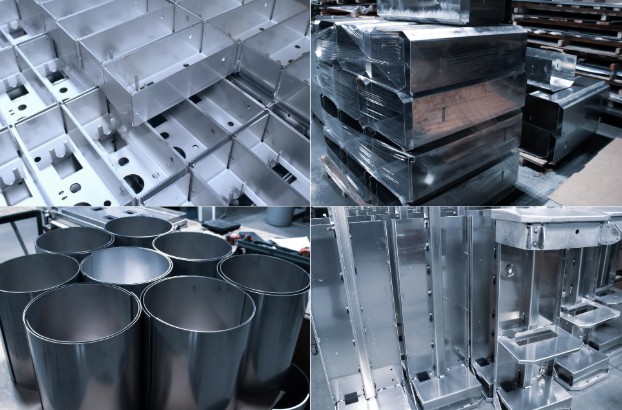
Sheet metal fabrication is a critical part of many architectural, structural, and industrial projects. When done correctly, it delivers strength, precision, and long-term reliability. When done poorly, it can lead to costly delays, rework, and performance issues that affect the entire project. Unfortunately, many businesses make the same sheet metal fabrication mistakes over and over, often without realizing the long-term impact.
Understanding where these mistakes occur and how to prevent them can help businesses protect their budgets, timelines, and final results. Below are the most common sheet metal fabrication mistakes businesses make and practical ways to avoid them.
Failing to Clearly Define Project Requirements
One of the most common sheet metal fabrication mistakes happens before fabrication even begins. Many businesses move forward with incomplete or vague project requirements, assuming details can be figured out later. Missing information about material thickness, tolerances, finishes, or installation conditions can lead to components that don’t fit properly or perform as expected.
Without clear specifications, fabricators are forced to make assumptions, which increases the risk of errors and rework. To avoid this mistake, businesses should invest time upfront in defining exact requirements. This includes detailed drawings, performance expectations, environmental exposure considerations, and installation methods. Clear communication early in the process helps ensure accuracy, efficiency, and predictable outcomes.
Choosing the Wrong Sheet Metal Material
Selecting the wrong material is another major contributor to sheet metal fabrication mistakes. Cost-driven decisions often lead businesses to choose materials that are not well suited for the application. For example, using untreated steel in moisture-prone environments can result in corrosion, reduced lifespan, and structural failure.
Different applications demand different materials. Galvanized sheet metal provides excellent corrosion resistance for industrial and commercial projects, while prepainted sheet metal offers both protection and visual appeal for architectural uses. Understanding the operating environment, load requirements, and aesthetic goals is essential. Partnering with an experienced fabricator helps ensure material choices are based on performance and durability rather than short-term savings.
Overlooking Tolerances and Precision Requirements
Precision is fundamental to quality sheet metal fabrication, yet many businesses underestimate the importance of tight tolerances. Even small deviations can cause major issues during installation, leading to misalignment, gaps, or stress on surrounding components. This is especially problematic in architectural and structural applications where components must fit seamlessly.
One of the most costly sheet metal fabrication mistakes is discovering tolerance issues after fabrication is complete. Avoiding this requires working with a fabrication partner that uses advanced CNC equipment and follows strict quality control processes. Accurate measurements, proper tooling, and skilled operators ensure components are produced to exact specifications, reducing installation issues and delays.
Designing Without Fabrication in Mind
Designs that look good on paper don’t always translate well into real-world fabrication. Another common mistake is failing to consider fabrication limitations during the design phase. Sharp bends, overly complex geometries, or unrealistic tolerances can drive up costs and increase production time.
Design-for-manufacturing principles help eliminate this issue. By involving fabricators early in the design process, businesses can identify potential challenges before production begins. This collaboration allows for design adjustments that maintain performance and aesthetics while improving efficiency and reducing waste.
Underestimating Lead Times and Production Schedules
Many businesses assume sheet metal fabrication can be completed quickly without accounting for material availability, production capacity, or finishing requirements. This often leads to rushed timelines and compromised quality. Underestimating lead times is one of the most disruptive sheet metal fabrication mistakes because it impacts the entire project schedule.
To avoid this, businesses should plan fabrication timelines realistically and communicate deadlines clearly. Reliable fabricators will provide accurate production schedules and keep clients informed throughout the process. Allowing adequate time for fabrication ensures quality isn’t sacrificed for speed.
Ignoring the Importance of Surface Finishing
Surface finishing is often treated as an afterthought, yet it plays a major role in performance, appearance, and longevity. Skipping or choosing the wrong finish can lead to corrosion, fading, or premature wear—especially in outdoor or high-exposure environments.
Prepainted and coated sheet metal options offer enhanced durability and reduce maintenance requirements over time. Understanding how finishes interact with environmental conditions helps prevent costly repairs and replacements. Avoiding this sheet metal fabrication mistake means selecting finishes that align with both functional and aesthetic goals.
Focusing Only on Price Instead of Value
Cost is always a consideration, but focusing solely on the lowest price often leads to poor outcomes. Choosing the cheapest fabricator may result in inconsistent quality, missed deadlines, and limited accountability. These hidden costs frequently exceed the initial savings.
A more effective approach is evaluating overall value. This includes experience, equipment capabilities, quality control standards, turnaround times, and reliability. Trusted fabrication partners deliver consistent results, reduce risk, and provide long-term value—helping businesses avoid recurring sheet metal fabrication mistakes.
Neglecting Quality Control and Inspection
Skipping inspections or relying solely on final checks is another critical mistake. Without proper quality control throughout the fabrication process, defects can go unnoticed until installation, when corrections are far more expensive.
A strong quality assurance process includes inspections at multiple stages of production. This ensures accuracy, consistency, and compliance with specifications. Working with a fabricator that prioritizes quality control helps prevent costly errors and ensures components meet performance expectations.
Poor Communication Throughout the Project
Communication breakdowns between businesses and fabricators often lead to misunderstandings, delays, and errors. Changes made without proper documentation or confirmation can result in incorrect parts and wasted materials.
Clear, consistent communication is essential at every stage of the project. Regular updates, documented changes, and a single point of contact help keep projects on track. Avoiding this sheet metal fabrication mistake ensures alignment from concept to completion.
Partnering With the Wrong Fabrication Team
Perhaps the biggest mistake of all is working with a fabrication partner that lacks experience, capacity, or industry knowledge. Sheet metal fabrication requires specialized skills, advanced equipment, and attention to detail. Inexperienced providers may struggle with complex projects or fail to meet performance standards.
Choosing a trusted fabrication partner with proven expertise across architectural and structural applications makes all the difference. A reliable team brings problem-solving skills, precision craftsmanship, and dependable delivery, helping businesses avoid costly mistakes and achieve long-lasting results.
How to Avoid Sheet Metal Fabrication Mistakes Altogether
Avoiding sheet metal fabrication mistakes starts with preparation, communication, and the right partner. Clearly defining requirements, selecting appropriate materials, prioritizing precision, and planning realistic timelines all contribute to better outcomes. Most importantly, working with an experienced fabrication team ensures projects are handled with care, accuracy, and professionalism.
By understanding these common pitfalls and taking proactive steps to prevent them, businesses can protect their investments and ensure their metal fabrication projects deliver the quality, durability, and reliability they expect.