In construction and fabrication industries, precision and durability aren’t optional—they’re the baseline. Among the many materials that contractors, architects, and metal fabricators rely on, pre-painted and galvanized sheet metal trims stand out for their combination of structural performance, corrosion resistance, and clean aesthetics. From 29 gauge for lighter applications to 24 gauge for heavy-duty projects, these trims are more than just finishing details—they’re critical components in ensuring long-term performance and appearance.
At Enhanced Metal Services, we’ve seen firsthand how the right trim profiles in the right gauge can elevate both the structural integrity and visual appeal of a project. Let’s walk through the technical considerations, applications, and industry advantages of working with pre-painted and galvanized trims.
Why Gauge Matters: 29 vs 26 vs 24
The gauge of sheet metal is often where the conversation begins. In North American standards, the smaller the gauge number, the thicker—and therefore stronger—the sheet.
- 29 Gauge (0.36 mm nominal thickness):
Commonly used in residential cladding, lighter roofing applications, and areas where load requirements are minimal but corrosion protection is still critical. Easy to handle and install. - 26 Gauge (0.46 mm):
The “middle ground” of sheet metal trims, balancing cost, formability, and strength. Often used in light commercial projects, soffits, fascia, and medium-duty cladding trims. - 24 Gauge (0.61 mm):
Heavy-duty performance. This thickness is typically specified in industrial roofing, structural trims, and high-impact areas requiring maximum strength and rigidity. It resists warping and provides long-term durability under environmental stress.
The key takeaway: The gauge you choose isn’t just about strength—it also impacts installation methods, fastening systems, and long-term lifecycle costs.
Pre-Painted Steel Trims: Performance with Aesthetic Edge
Pre-painted sheet metal trims go beyond the functional. They’re engineered for environments where visual continuity matters just as much as protection.
- Coating Systems: High-durability paint systems (such as SMP or PVDF) are baked onto the substrate to deliver resistance against UV degradation, chalking, and fading. This ensures trims retain their color and gloss for decades.
- Color Matching: Pre-painted trims are ideal when you need consistency across roofing, siding, or panel systems. At Enhanced Metal Services, we frequently provide trims in standard industry color palettes or custom-matched tones to meet architectural requirements.
- Applications: Fascia, corner trims, cap flashings, drip edges, and custom profiles where exposed edges need to complement surrounding cladding or panels.
Why experts specify pre-painted trims: Beyond the aesthetics, the baked-on finishes serve as an additional protective layer against corrosion, especially important for thinner gauges like 29 or 26, where the substrate itself has less inherent strength.
Galvanized Sheet Metal Trims: Corrosion Resistance from the Core
When the primary demand is durability in harsh conditions, galvanized steel trims deliver. The hot-dip galvanizing process coats steel with a protective zinc layer, which acts as a barrier against rust and corrosion.
- Zinc Protection: Even if the steel is scratched or cut, zinc acts sacrificially, protecting exposed steel edges through galvanic action.
- Ideal Environments: Agricultural buildings, industrial facilities, and areas with high exposure to moisture, chemicals, or salt. Galvanized trims are often specified where painted finishes may be scratched or where appearance is secondary to function.
- Gauge Considerations: While 29 gauge galvanized trims are suitable for lighter-duty projects, moving up to 24 gauge ensures long-term corrosion resistance even under heavy wear-and-tear.
Key Technical Considerations for Sheet Metal Trims
Experts know that trims aren’t “add-ons”—they’re engineered elements. Here are some of the most critical factors to keep in mind:
- Fastening Systems:
The gauge and type of trim dictate whether you can use standard screws, rivets, or require specialized concealed fasteners. Pre-painted trims benefit from color-matched fasteners to preserve aesthetics. - Formability and Bend Radius:
Heavier gauges like 24 require larger bend radii to avoid cracking during fabrication. Lighter gauges (29, 26) can achieve tighter bends, allowing for more intricate profiles. - Diaphragm Shear Contribution:
In roofing and cladding assemblies, trims—when fastened correctly—can contribute to diaphragm action, improving overall structural rigidity. This is especially true in industrial projects where trims are part of the load path. - Thermal Expansion:
Both pre-painted and galvanized trims expand and contract with temperature changes. Proper allowances for movement during installation are critical to prevent buckling or paint cracking.
Applications Across Sectors
The versatility of 29–24 gauge trims makes them staples across multiple industries:
- Residential Construction: Soffits, fascia, window flashings, and drip edges in pre-painted finishes.
- Commercial Buildings: Wall caps, parapet trims, and architectural profiles requiring color coordination.
- Industrial Projects: Heavy-duty corner guards, roof edges, and trims where 24 gauge galvanized steel resists mechanical stress.
- Agricultural Facilities: Galvanized trims for barns, silos, and outbuildings exposed to high humidity and ammonia-rich environments.
Lifecycle Cost and Value
While upfront costs vary by gauge and finish, the real value lies in lifecycle performance:
- 29 gauge pre-painted trims: Cost-effective for residential projects with a shorter expected lifecycle.
- 26 gauge: Balanced price and durability, often considered the sweet spot for general contractors.
- 24 gauge galvanized or pre-painted: Higher material and fabrication costs, but unmatched longevity and reduced maintenance, especially in industrial and commercial projects.
Choosing the right combination minimizes callbacks, maintenance, and long-term replacement costs.
Enhanced Metal Services Advantage
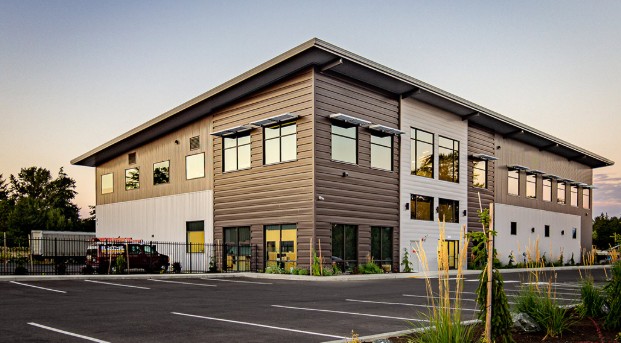
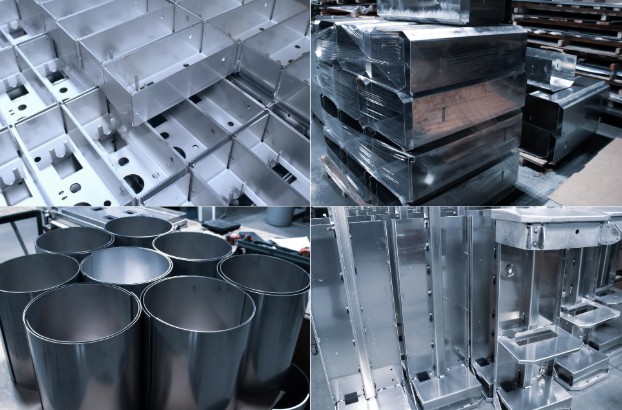
At Enhanced Metal Services, we specialize in custom-fabricated trims across gauges 29 to 24. Our facility is equipped to handle both short-run custom orders and large-scale production, ensuring contractors and architects receive trims that meet precise specifications.
- Custom Profiles: Whether it’s a standard drip edge or a complex architectural detail, we fabricate to your drawings or assist in design optimization.
- Expert Guidance: Our team collaborates with clients to ensure gauge, finish, and profile align with project performance requirements.
- Quality Control: Every trim undergoes rigorous checks for dimensional accuracy, finish integrity, and coating thickness.
Final Thoughts
In construction, the details matter. Pre-painted and galvanized trims may look like finishing touches, but they’re integral to the system’s strength, performance, and aesthetics. Choosing the right gauge—from 29 to 24—ensures your project balances cost-effectiveness with the durability demanded by its environment.
With the right partner, like Enhanced Metal Services, you don’t just get sheet metal trims—you get components engineered for longevity, precision, and performance.