Understanding Metalworking
Metalworking is the process of shaping, cutting, forming, and joining metal materials to create structural components and building elements. It’s one of the oldest and most essential trades in construction, evolving from hand-forged tools to the advanced fabrication methods used in metal buildings and architectural structures.
Modern metalworking combines craftsmanship with advanced technology like computer-aided design (CAD), CNC machining, and laser cutting. From steel framing and roof supports to wall panels and flashings, metalworking is at the foundation of durable, weather-resistant construction and metal building systems.
Metalworking For pre-finished steel flashings
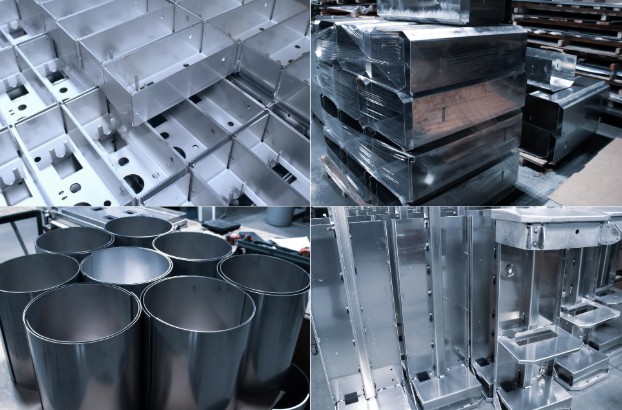
Metalworking for pre-finished steel flashings involves precisely shaping, cutting, and forming pre-coated steel sheets into functional components that protect and finish building exteriors. Since the steel is already coated with a durable, color-matched finish, fabricators must handle it carefully to prevent scratches or damage to the protective surface. Using specialized tools and equipment such as press brakes, shears, and roll formers, the metal is bent and cut to custom dimensions that fit specific architectural details like roof edges, wall joints, and window perimeters. This precision metalworking process ensures that each flashing maintains its structural integrity, weather resistance, and aesthetic appeal. The result is a clean, corrosion-resistant finish that enhances both the performance and appearance of modern building envelopes.
Metalworking For Galvanized Steel Supports for Sub-Framing
Metalworking for galvanized steel supports for sub-framing involves fabricating and shaping zinc-coated steel components that form the structural foundation beneath metal wall and roof systems. During this process, steel sheets or coils are cut, bent, punched, or roll-formed into profiles such as channels, angles, and hat sections that provide strength and alignment for exterior panels. Because galvanized steel has a protective zinc coating, fabricators must use precise cutting and forming techniques to maintain corrosion resistance and avoid damaging the coating. Advanced metalworking equipment, including CNC machines and press brakes, ensures accurate dimensions and consistent quality. The result is a set of durable, corrosion-resistant supports that deliver stability, structural integrity, and long-lasting performance in a wide range of building applications.
The Main Types of Metalworking in Construction
In the construction and metal building industries, metalworking is all about precision, strength, and efficiency. It transforms flat steel sheets into functional components that protect and complete modern structures. At Enhanced Metal Services (EMS), we focus on the processes that bring these materials to life, ensuring each part meets the exacting standards of quality our clients depend on.
Forming
Forming is at the heart of what we do. It involves shaping steel without removing or adding material. Using specialized equipment such as press brakes and rollers, flat sheets are carefully bent and formed into custom profiles used in flashings, trims, and sub-framing supports. This process allows for exceptional accuracy and consistent results across every piece.
Cutting
Before metal can be formed, it must first be cut with precision. Using advanced cutting methods, steel sheets are trimmed to exact dimensions that match detailed project specifications. Precision cutting ensures clean edges and perfect fits, a crucial step for components that need to align seamlessly within wall and roof systems.
Assembling and Quality Checking
Once individual pieces are shaped, they are assembled, checked, and prepared for installation. Every component undergoes a thorough inspection to confirm accuracy, finish quality, and alignment with project requirements. This ensures that each product leaving EMS is ready to install and built to perform.
Tools and Equipment Used in Our Fabrication Process
At EMS, our facility combines craftsmanship and advanced machinery to deliver precise, high-quality results. Common tools and equipment include:
- Press brakes and rollers – for bending and shaping steel sheets
- Shears and CNC cutting tools – for clean, accurate cuts
- Forming machines – for creating consistent profiles and trims
Each piece of equipment plays a vital role in producing the dependable, construction-ready components our clients rely on.
The Importance of Precision in Metalworking
Precision is the cornerstone of quality metalwork. Even the slightest deviation in measurement can affect a structure’s integrity or a machine’s performance. That’s why professional fabricators use computer-guided equipment, digital measuring tools, and strict quality control to maintain exact tolerances.
The Evolution of Metalworking Technology
Metalworking has come a long way from hand-forged tools and anvils. Today’s fabrication shops use automated machinery, robotics, and AI-assisted design to produce parts faster and with greater consistency. Technologies like 3D metal printing are revolutionizing how metal components are designed and manufactured, allowing for complex geometries that were once impossible to achieve.
Despite these advances, the core principles remain unchanged: craftsmanship, attention to detail, and an understanding of metal behavior are still at the heart of quality metalwork.
Why Professional Metalworking Matters
Professional metalworking ensures that every project, whether a simple bracket or an architectural façade, is built to last. Working with skilled metal fabricators guarantees:
- Durability: Strong, corrosion-resistant results built to endure heavy use and environmental stress.
- Accuracy: Precision manufacturing for seamless integration.
- Customization: Tailored solutions for unique design, size, or material needs.
- Efficiency: Reduced waste, faster turnaround times, and cost-effective production.
Final Thoughts About What is Metalworking
Whether you’re planning a structural project or developing specialized parts, investing in expert metalworking ensures long-term value and dependability.
Metalworking continues to shape the backbone of modern construction, providing the precision and reliability that today’s metal wall and roof systems demand. At Enhanced Metal Services (EMS), our work is dedicated exclusively to the construction and metal building sectors, where we manufacture pre-finished steel flashings and galvanized steel supports that bring strength, accuracy, and consistency to every project.
We take pride in producing custom-formed steel components that not only perform under pressure but also integrate seamlessly into complex building systems. Each product we manufacture reflects our commitment to quality craftsmanship and our deep understanding of the construction industry’s evolving needs.
At Enhanced Metal Services, we don’t aim to do everything, we aim to do what we do best. By focusing on precision steel fabrication for construction applications, we help builders, contractors, and installers complete their projects with components they can trust to last.