Every roof, no matter how simple or complex, depends on a reliable underlying structure to perform well. Roof panels, membranes, insulation, and waterproofing components are important, but none of them function properly without strong, durable support beneath them. This support is often built using galvanized steel, a material chosen specifically for its ability to withstand decades of weather exposure, heavy loads, installation stress, and long-term environmental wear.
Galvanized steel supports play a crucial role not just in holding the roof in place, but in ensuring the roof performs as intended. They shape the structure, maintain alignment, and prevent weak points that could compromise the entire building envelope. When used correctly, they contribute to the longevity of the roof system, improve resistance to corrosion, and significantly reduce maintenance issues over time.
This blog explores why galvanized steel is the industry standard for sub-framing and support systems, how it improves roof performance, and why builders choose it over untreated steel or alternative materials.
Understanding the Function of Roof Sub-Framing
Before diving into why galvanized steel is essential, it’s helpful to understand what roof supports actually do. Sub-framing sits beneath roof panels and creates the structural foundation that ensures everything above it stays secure, straight, and stable. It often includes components such as hat channels, Z-girts, brackets, clips, purlins, and reinforcement members.
These supports play several critical roles:
- They absorb and distribute loads, including wind, snow, equipment weight, and the weight of the roof itself.
- They create attachment points for roof panels and ensure proper spacing.
- They maintain the geometry and alignment of the roof.
- They help manage moisture and airflow beneath the roof system.
- They bridge uneven surfaces to allow clean installation.
If the sub-framing fails, even in small ways, the roof above it becomes vulnerable. This is why material selection matters so much. Roofs are constantly exposed to moisture, temperature swings, and structural movement. Supports must handle all of these demands without warping, rotting, rusting, or losing integrity.
Galvanized steel is one of the few materials capable of meeting all these requirements consistently.
Why Galvanized Steel Is the Preferred Material
Galvanizing is a process in which steel is coated with a protective layer of zinc. This zinc layer acts as a barrier between the steel and environmental elements, dramatically increasing resistance to corrosion. Roof supports are exposed to moisture, condensation, temperature changes, and possible water intrusion, conditions that uncoated steel cannot withstand long-term. The zinc coating protects the steel in two key ways: it forms a physical shield and it offers self-healing properties, meaning it resists scratches and minor surface damage without losing protection.
This built-in durability is what makes galvanized steel so reliable for roof systems, and why it has become the industry standard for long-term roof performance.
Superior Corrosion Resistance
Roof environments are harsh, even when leaks aren’t present. Condensation forms underneath panels, moisture accumulates in fastener zones, and runoff can occasionally reach areas that weren’t expected to get wet. Without corrosion resistance, supports would deteriorate quickly, undermining the structural integrity of the roof.
Galvanized steel’s protective coating prevents rust from forming even when moisture is constantly present. This is especially important around:
- Fastener points
- Panel joints
- Overlaps and penetrations
- Valleys, ridges, and edges
- Areas where condensation could settle
Because roof systems are designed to last decades, support materials must last just as long. Galvanized steel provides that long-term stability.
Strength and Structural Reliability
Steel is inherently strong, but galvanized steel maintains that strength while adding protection. Roof systems need to withstand strong winds, heavy snow loads, and thermal expansion. They must support mechanical equipment, walkways, mounting brackets, and rooftop safety systems. The sub-framing bears much of this load.
Galvanized steel supports provide:
- High load-bearing capacity
- Resistance to bending or warping
- Structural stability over time
- Consistent performance even in harsh climates
Because steel doesn’t shrink, swell, or degrade the way wood or untreated metals might, it ensures the roof maintains its shape and alignment for decades.
Compatibility With Modern Roof Systems
Today’s roofs, especially metal roofs, are highly engineered. They rely on precise spacing, consistent attachment surfaces, and controlled thermal movement. Galvanized steel supports pair well with metal roof systems because they expand and contract at predictable rates and provide stable, uniform installation surfaces.
This compatibility supports:
- Cleaner panel alignment
- Improved watertightness
- Proper fastening
- Reduced risk of distortion or buckling
- Better energy performance when used with insulated systems
In other words, galvanized steel supports help modern roof systems perform the way they’re intended.
Lower Maintenance and Life-Cycle Costs
Roof maintenance costs can escalate quickly if underlying support materials begin to fail. Corrosion, instability, and surface deterioration often lead to premature roof repairs or full replacements. Galvanized steel reduces this risk by offering long-lasting performance with minimal maintenance.
The zinc coating prevents rust for decades, even with direct exposure to moisture. This longevity reduces costs related to inspection, repair, and replacement of damaged components. Over the life of the building, the savings can be significant, not only for the roof but for the structural components connected to it.
Improved Moisture Management
One of the quiet advantages of galvanized steel is its reliability in moisture-prone environments. Roofs naturally accumulate condensation beneath panels due to temperature differences between the interior and exterior. If sub-framing absorbs moisture, retains water, or begins to corrode, it creates weak points in the building envelope.
Galvanized steel handles moisture well and remains structurally sound even when condensation is present. It supports the roof system’s ability to:
- Manage runoff
- Resist mold and deterioration
- Maintain stable mechanical performance
- Prevent long-term water damage
By helping protect the roof from moisture-related failures, galvanized steel supports also help protect the entire building envelope.
Versatility in Design and Installation
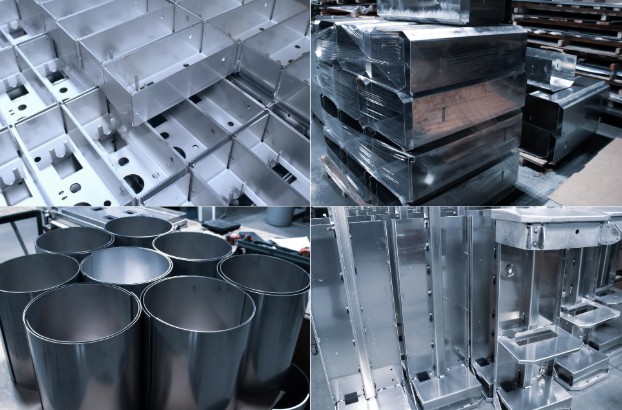
Galvanized steel supports can be fabricated into a variety of shapes, such as Z-girts, hat channels, brackets, and reinforcement members, which allows them to accommodate different roof designs and structural needs. They can adapt to unique architectural features, roof slopes, drainage paths, and insulation strategies.
This flexibility ensures they work in a wide range of systems, including:
- Standing seam metal roofs
- Corrugated or ribbed metal roofs
- Composite roof assemblies
- Insulated roof panel systems
- Retrofit and overbuild roofing
Because galvanized steel supports are customizable, they help ensure precision and performance for both new construction and renovation projects.
Consistency and Long-Term Performance
A roof system is only as strong as the sub-framing that supports it. Galvanized steel provides a level of reliability and consistency that other materials rarely match. It ages slowly, maintains its shape, resists corrosion, and holds its structural integrity even in demanding conditions.
This long-term stability makes galvanized steel a smart investment for buildings that need to perform well for decades, commercial facilities, industrial structures, institutions, and warehouses all benefit from this level of durability.
Final Thoughts
Roof systems face constant exposure to the elements, making the choice of support materials critical. Galvanized steel provides the strength, reliability, and corrosion resistance needed to ensure roof longevity and overall building performance. From moisture protection to structural integrity, it supports everything the roof system must do, protect the building, maintain energy efficiency, and withstand environmental challenges.
Choosing galvanized steel supports isn’t just a technical decision, it’s a long-term investment in the durability and stability of the entire structure.