Choosing the right roofing material is one of the most important decisions for any building project. Roofing affects durability, long-term costs, energy efficiency, and the overall appearance of a structure. Among the most common options, metal roofs and asphalt shingles stand out as popular choices for residential and commercial buildings. But are metal roofs better than shingles?
The answer depends on your priorities, budget, and long-term goals. Below, we break down the key differences between metal roofing and asphalt shingle roofing to help you make an informed decision.
Understanding Metal Roofs and Shingles
Before comparing performance, it’s important to understand what each roofing system is made of.
Metal roofs are manufactured from materials such as steel or aluminum and are available in several profiles, including standing seam panels, corrugated metal roofing, and metal roof shingles. These systems are engineered for strength, longevity, and weather resistance.
Asphalt shingles are made from a fiberglass or organic base coated with asphalt and mineral granules. They are widely used due to their lower upfront cost and traditional appearance.
Durability and Lifespan
One of the biggest advantages of metal roofs over asphalt shingles is durability.
Metal roofs are designed to withstand extreme weather conditions such as heavy rain, high winds, snow, and temperature fluctuations. High-quality metal roofing materials can last 40 to 70 years, depending on the metal type and protective coatings used.
In comparison, asphalt shingles typically last 15 to 25 years. Over time, shingles can crack, curl, or lose granules, especially in areas with harsh climates.
Winner: Metal roofing
If longevity and durability is a priority, metal roofs outperform asphalt shingles by a significant margin.
Weather and Environmental Resistance
Metal roofs excel in challenging environments and they perform well in regions with frequent freeze-thaw cycles, as a properly installed metal roof has the ability to expand and contract without cracking or buckling They shed snow easily, resist moisture absorption, and are not susceptible to mold or rot. Many metal roofing systems are also fire-resistant, offering additional safety benefits.
Shingles, while effective in moderate conditions, can be damaged by prolonged exposure to moisture, strong winds, and extreme heat. High winds can lift or tear shingles, which can lead to leaks and costly repairs.
Winner: Metal roofing
For buildings exposed to harsh or unpredictable weather, metal roofs provide superior protection.
Maintenance and Repairs
Metal roofs require very little maintenance. Periodic inspections and basic cleaning are typically enough to keep them in good condition for decades.
Asphalt Shingle roofs, on the other hand, often require more frequent maintenance. Individual shingles may need replacement due to wind damage, algae growth, or general wear. Over time, these repairs can add up.
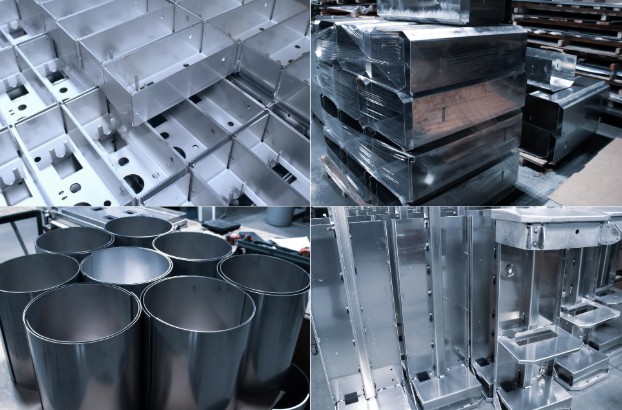
Because metal roofing panels are engineered and manufactured for strength and longevity, they tend to maintain structural integrity with minimal intervention or maintenance requirements.
Winner: Metal roofing
Lower maintenance requirements make metal roofs more cost-effective over the long term.
Cost Comparison: Short-Term vs Long-Term
One of the most common concerns when choosing between metal roofs and asphalt shingles is cost.
Asphalt shingles usually have a lower upfront material cost, making them attractive for budget-conscious projects. While metal roofing materials generally cost more initially due to higher-quality materials and manufacturing processes.
However, when evaluating lifecycle cost, metal roofing often proves to be the better investment. With a longer lifespan,fewer repairs and lower maintenance requirements, metal roofs can eliminate the need for multiple re-roofing projects over the life of a building.
Shingle roofs may require replacement two or even three times in the same period a metal roof remains functional.
Winner: Depends on perspective
- Short-term budget: Shingles
- Long-term value: Metal roofing
Energy Efficiency
Metal roofs are known for their energy-efficient properties. Many metal roofing panels feature reflective coatings that reduce heat absorption, helping to keep buildings cooler during warmer months. This can lead to lower cooling costs and improved indoor comfort.
Shingles tend to absorb more heat, especially darker-coloured options, which can increase indoor temperatures and energy usage.
For energy-conscious building owners, metal roofs can contribute to long-term energy savings.
Winner: Metal roofing
Improved thermal performance gives metal roofs a clear advantage.
Design, Style, and Colour Options
Metal roofing has evolved significantly in terms of aesthetics. Today’s metal roofs are available in a wide range of styles, profiles, and colours. Options include sleek standing seam panels, textured metal roof shingles, and corrugated designs suitable for both modern and traditional buildings.
Asphalt shingles also offer a variety of colours and styles, and they remain a popular choice for classic residential designs.
While shingles provide familiarity, metal roofing offers greater flexibility for contemporary architectural styles and custom finishes.
Winner: Tie
Both materials offer strong design options, depending on the desired look.
Environmental Impact and Sustainability
Metal roofing is often considered the more environmentally friendly option. Most metal roofs are made from recycled materials and are fully recyclable at the end of their lifespan. Their durability also reduces waste associated with frequent replacements.
Asphalt shingles contribute significantly to landfill waste, as they are typically replaced more often and are less recyclable.
For projects focused on sustainability and reduced environmental impact, metal roofing is the stronger choice.
Winner: Metal roofing
Noise and Comfort Considerations
A common misconception is that metal roofs are noisy during rain or hail. In reality, when properly designed as part of a complete roofing system, metal roofs perform similarly to shingles in terms of sound insulation.
Modern roofing assemblies include underlayment and insulation layers that minimize noise transmission.
Winner: Tie
Noise concerns are largely dependent on system design, not material alone.
Resale Value and Curb Appeal
Metal roofs can enhance a building’s resale value due to their longevity, low maintenance, and modern appearance. Many buyers view metal roofing as a premium feature.
Shingle roofs are widely accepted and familiar, but they may not offer the same long-term value perception.
Winner: Metal roofing
Longevity and durability often translate into higher property value.
Final Verdict: Are Metal Roofs Better Than Shingles?
So, are metal roofs better than asphalt shingles? In most cases, yes—especially when considering long-term performance, durability, and value.
Metal roofs outperform shingles in lifespan, weather resistance, energy efficiency, and sustainability. While asphalt shingles may be more affordable upfront, metal roofing often delivers greater savings and peace of mind over time.
That said, asphalt shingles remain a viable option for projects with tighter budgets or traditional design preferences.