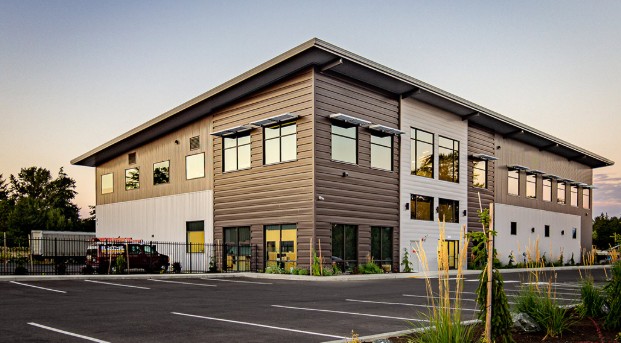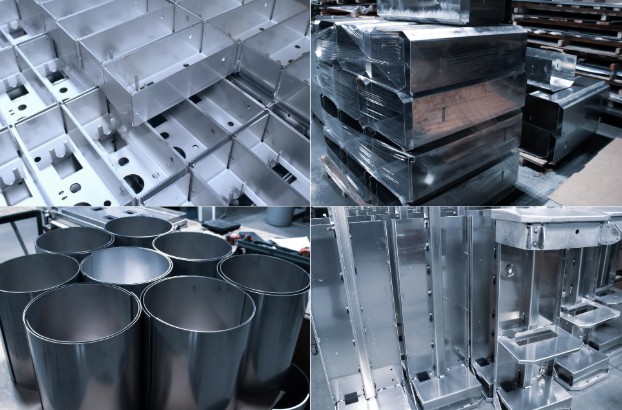
In modern construction, the success of a structure often depends on what you don’t see, the framework that lies beneath. Whether it’s a commercial façade, a metal building, or an insulated panel system, sub-framing provides the hidden backbone that supports and aligns exterior surfaces.
At the heart of these systems are galvanized steel supports, engineered components that combine strength, precision, and protection against corrosion. They play an essential role in maintaining the performance, stability, and longevity of architectural and structural systems.
This post will explore what galvanized steel supports are, how they’re used in sub-framing systems, and why they’re one of the most reliable materials in today’s construction industry.
Understanding Sub-Framing Systems
Sub-framing refers to the secondary support structure that connects exterior finishes, panels, or cladding to a building’s main frame. It serves as the interface between the primary load-bearing structure (such as a steel or concrete frame) and the outer envelope that protects the building from the elements.
A well-designed sub-framing system ensures proper load distribution, panel alignment, insulation spacing, and moisture management. Without a reliable sub-frame, even the best exterior materials can fail prematurely due to movement, misalignment, or corrosion.
Typical components of sub-framing systems include:
-
- Hat channels and Z-girts
-
- Purlins and girts
-
- Brackets and clips
-
- Fasteners and mounting hardware
Each of these elements must work together to maintain the structure’s integrity while allowing for thermal movement, energy efficiency, and ease of installation.
What Are Galvanized Steel Supports?
Galvanized steel supports are sub-framing components that have been coated with zinc to protect the underlying steel from corrosion. The most common process, hot-dip galvanizing, involves immersing steel parts into molten zinc, creating a tightly bonded, corrosion-resistant layer.
This zinc layer acts as both a barrier coating and a sacrificial anode, meaning it will corrode before the steel underneath does, effectively shielding the metal from rust and degradation over time.
Because sub-framing components are often hidden within wall cavities or exposed to condensation, they require a high level of durability. Galvanized steel provides this durability while maintaining the strength and precision needed for modern construction systems.
Key Features of Galvanized Steel Supports
-
- Superior Corrosion Resistance: Zinc coating prevents rust and oxidation.
-
- High Strength-to-Weight Ratio: Offers structural support without adding unnecessary weight.
-
- Long Service Life: Properly galvanized steel can last 50+ years, even in harsh environments.
-
- Cost Efficiency: Lower maintenance needs translate into long-term savings.
-
- Recyclability: Galvanized steel is fully recyclable, supporting sustainable building practices.
Common Applications in Construction
Galvanized steel supports are used in a wide range of construction systems, from industrial facilities to architectural façades. Their versatility, strength, and resistance to environmental stress make them suitable for almost any sub-framing requirement.
1. Metal Building Systems
In metal buildings, galvanized supports such as Z-girts, C-channels, and purlins form the structural skeleton that holds roof and wall panels in place. These components maintain alignment, manage loads, and help distribute wind or snow pressure evenly across the structure.
2. Façade and Envelope Systems
For architectural façades, galvanized sub-framing supports are often used to mount exterior cladding or rainscreen systems. They create the necessary airspace for continuous insulation and moisture drainage, improving both energy efficiency and building performance.
3. Roofing and Decking Systems
In roofing applications, galvanized joists, purlins, and clips provide support for deck panels or roofing sheets. The zinc coating ensures long-term resistance to rain, humidity, and condensation, conditions that frequently degrade untreated steel.
4. Retrofitting and Renovations
When existing buildings need upgrades, galvanized steel supports allow for easy installation of new cladding or insulation over existing structures. This method saves time and avoids full demolition, making it a cost-effective choice for modernization projects.
Benefits of Using Galvanized Steel Supports
Using galvanized steel for sub-framing offers a combination of durability, efficiency, and value that few other materials can match. Here are some of the main advantages:
1. Exceptional Corrosion Protection
The zinc layer on galvanized steel provides both physical and electrochemical protection. Even if the surface coating is scratched, zinc continues to protect nearby exposed steel by corroding first, a process known as cathodic protection.
2. Long-Term Cost Savings
While galvanized steel may cost slightly more upfront than untreated or painted steel, it offers far greater lifecycle value. The minimal maintenance requirements and long lifespan significantly reduce repair and replacement costs over time.
3. Strength and Structural Stability
Galvanized steel supports retain the tensile and yield strength of standard steel, allowing them to support heavy loads and resist deformation. This makes them ideal for applications involving wide spans or high wind and snow loads.
4. Low Maintenance Requirements
Unlike painted or powder-coated steel, galvanized components do not need frequent recoating. Once installed, they can last for decades with only occasional inspections.
5. Versatility Across Systems
Whether used in insulated metal panels, rainscreens, or roofing assemblies, galvanized sub-framing adapts to virtually any project type. Its compatibility with insulation systems also helps prevent thermal bridging, improving energy efficiency.
6. Sustainability Benefits
Galvanized steel is fully recyclable, and the galvanizing process has become increasingly eco-friendly. Many manufacturers use zinc recovered from recycled materials, helping reduce waste and the environmental footprint of construction projects.
Types of Galvanized Sub-Framing Supports
There are several types of galvanized steel supports used in sub-framing, each serving a unique purpose:
-
- Z-Girts: These are typically mounted horizontally or vertically to create a continuous attachment surface for panels. They’re ideal for managing insulation thickness and providing thermal breaks.
-
- Hat Channels: Provide spacing and alignment for cladding or siding materials, commonly used in façade systems.
-
- C-Channels: Offer strong support for wall or ceiling systems, often used in metal building frameworks.
-
- Angles and Brackets: Secure corners and junctions, ensuring consistent alignment.
-
- Purlins and Girts: Support roof and wall sheeting, particularly in pre-engineered metal buildings.
Each of these elements is commonly manufactured from G90 galvanized steel, which offers a minimum zinc coating weight of 0.90 oz/ft², providing excellent corrosion resistance even in humid or coastal environments.
Installation and Maintenance Considerations
Proper installation is key to ensuring galvanized sub-framing performs as intended. A few best practices include:
-
- Avoid Mixing Metals: Dissimilar metals (like copper or brass) can cause galvanic corrosion when in contact with zinc-coated steel. Use compatible fasteners and connectors.
-
- Seal Cut Edges: When components are cut on-site, exposed steel edges should be coated with a zinc-rich paint to restore corrosion protection.
-
- Handle with Care: Avoid dragging components across rough surfaces that might damage the zinc coating.
-
- Inspect Regularly: While maintenance is minimal, periodic inspections help ensure longevity and detect any coating damage early.
When properly installed and maintained, galvanized sub-framing supports can maintain their protective coating and structural integrity for half a century or more.
Why Galvanized Steel Is the Preferred Choice for Sub-Framing
The combination of longevity, structural reliability, and cost-effectiveness makes galvanized steel support the preferred choice for sub-framing across construction sectors. Unlike aluminum or uncoated steel, galvanized components can withstand high stress and exposure without compromising safety or aesthetics.
Their widespread use in commercial and industrial projects highlights their ability to perform consistently, even in demanding environments. From modern office buildings to large-scale manufacturing facilities, galvanized steel continues to be a cornerstone of reliable construction.
Conclusion
Galvanized steel supports for sub-framing are the foundation behind many durable, high-performance building systems. Their strength, corrosion resistance, and versatility make them indispensable for ensuring structural stability and long-term performance.
Whether used in metal buildings, façades, or roofing assemblies, galvanized supports deliver exceptional value over the life of a structure.
For companies involved in metal building systems, cladding, and building envelope design, partnering with a provider that designs, supplies, and installs galvanized steel sub-framing systems ensures quality and efficiency from concept to completion. By investing in galvanized supports, you’re not just strengthening your project, you’re protecting it for decades to come.